WE BUILD COMMUNITIES

FOSS4G 2025 | Keynote
Dra. Selene Yang (ella/she/her)
We don't build tech
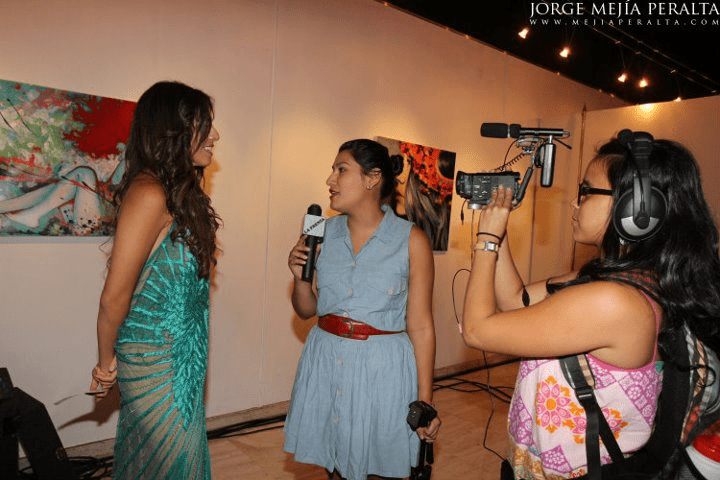
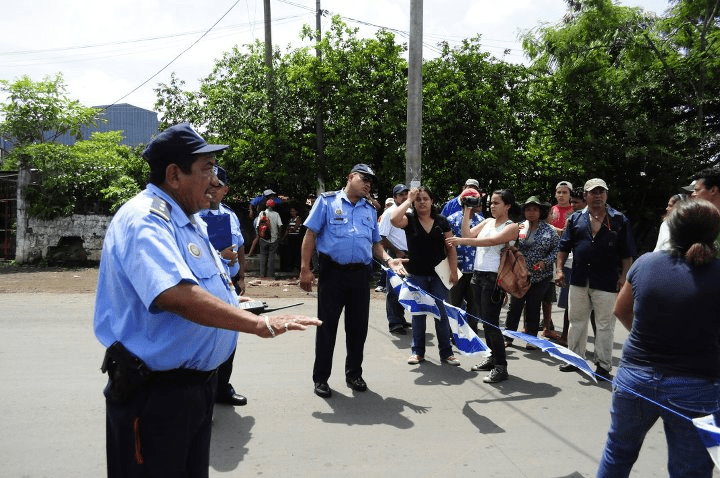
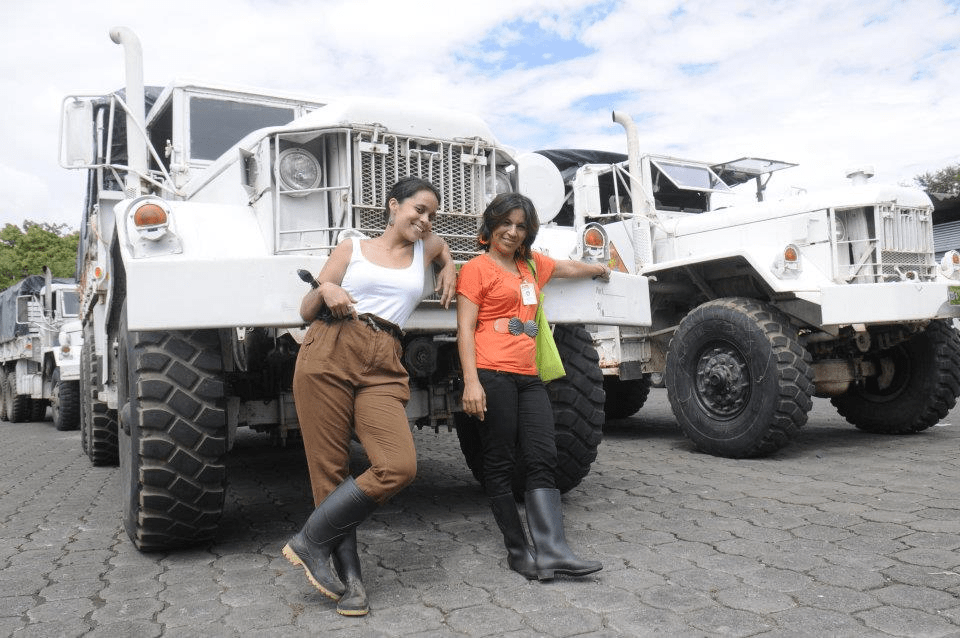

Cyborg feminist
Becoming a
mapmaker
So this takes us to Geochicas
Mapping as a feminist practice, building community and care into every layer of our work
Community is survival


"
Maps do not emerge in the same way for all individuals. Rather, they emerge in context and through a mix of creative, reflexive, playful, affective, and habitual practices, affected by the knowledge, experience, and skill of the individual to perform mappings and apply them in the world. This applies as much to map-making as to map reading. Thus, the map does not represent the world or make the world..." R. Kitchin (2010)

Don't mistake the rules with reality
Alok
...maps represent the world through a veil of ideology, are fraught with internal tensions, provide classic examples of power-knowledge, and are always caught up in wider political contexts. J. B Harley (1990)
-
The Streets of Women
-
Spatialized Feminist Memory, an Atlas of the 8M
-
Geochicas Take!
-
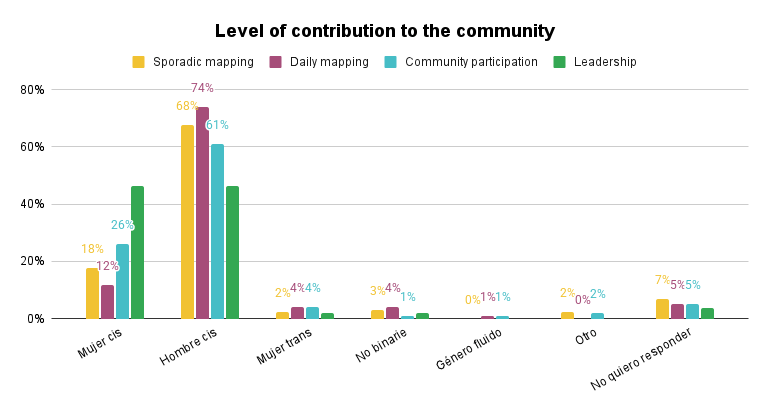
Gender Diversity Survey in OSM and OSGeo
-
OSM as digital good - Warwick University
-
VIII Geography, Gender and Sexuality organizing Team with the University of Costa Rica
What have we done so far?
Current projects
-
More than 300 members
-
In more than 30 countries
-
With active participation in multi stake holders spaces
-
And more than 15 projects so far
THE STREETS OF WOMEN
2019
2020
Spatialized Feminist Memory, an Atlas of the 8M
Spatialized Feminist Memory, an Atlas of the 8M
2023
2024
Geochicas Take!
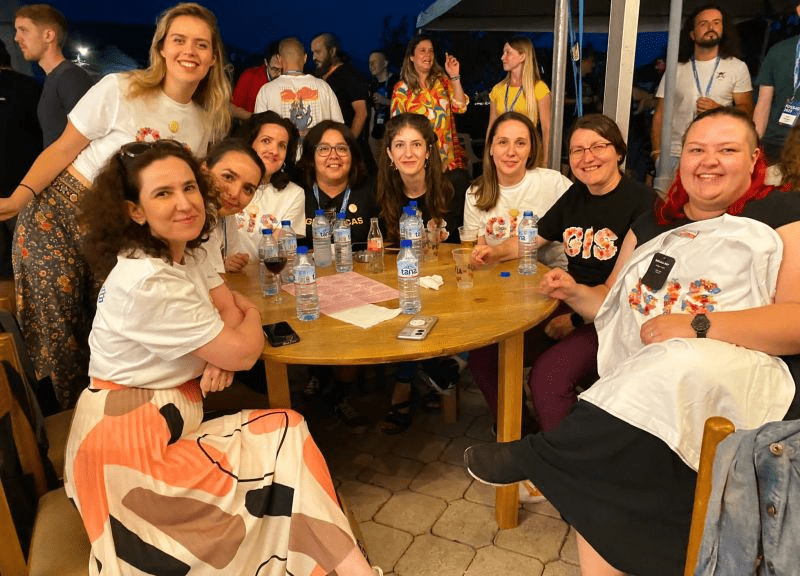
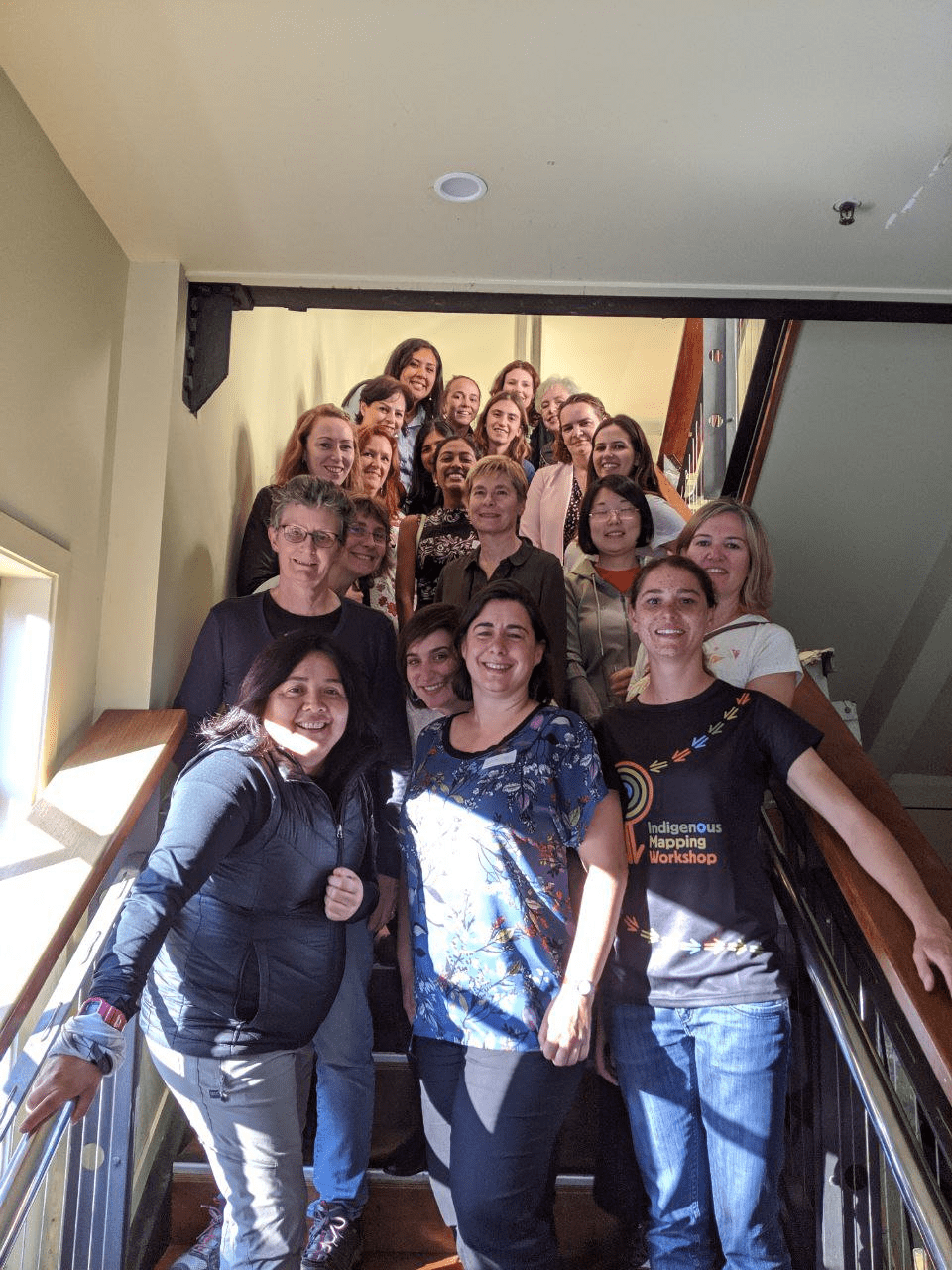
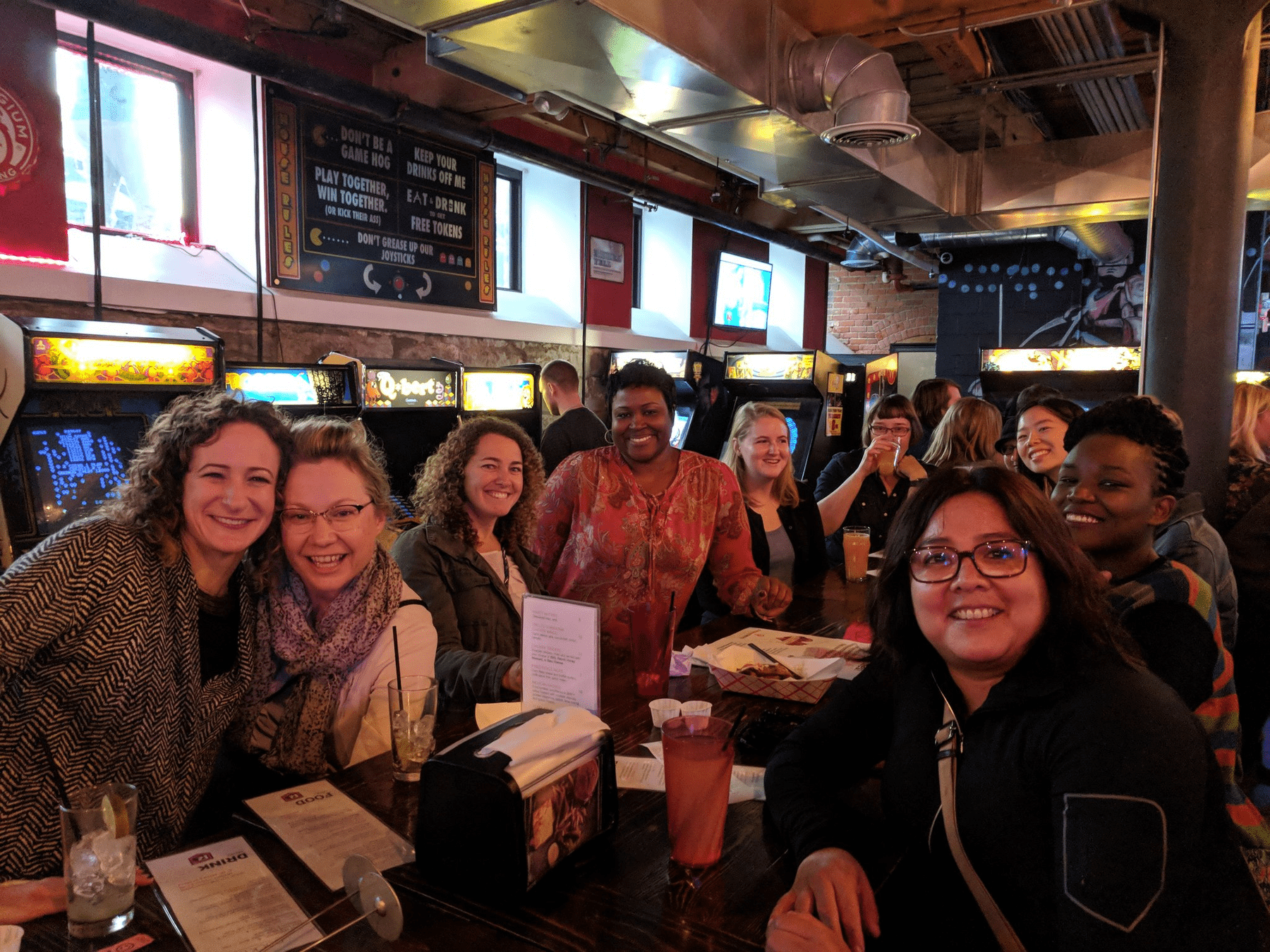
Social & networking gatherings


16 editions in 8 different countries
More than 800 attendees

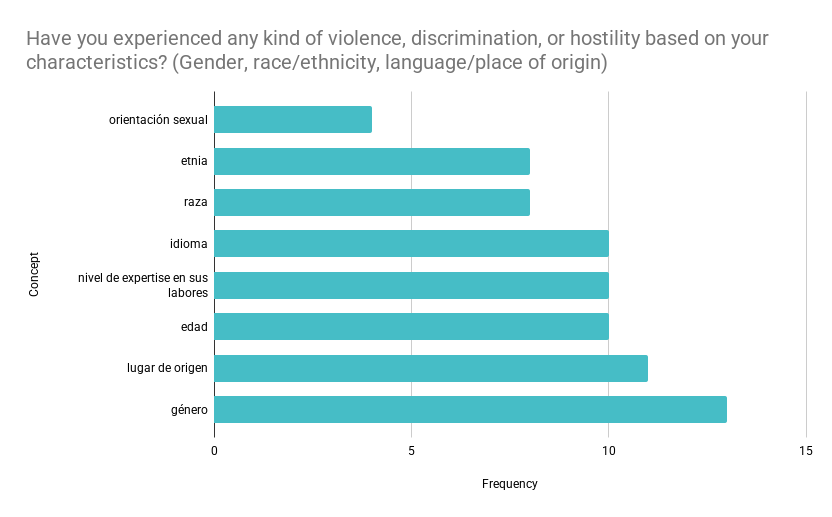
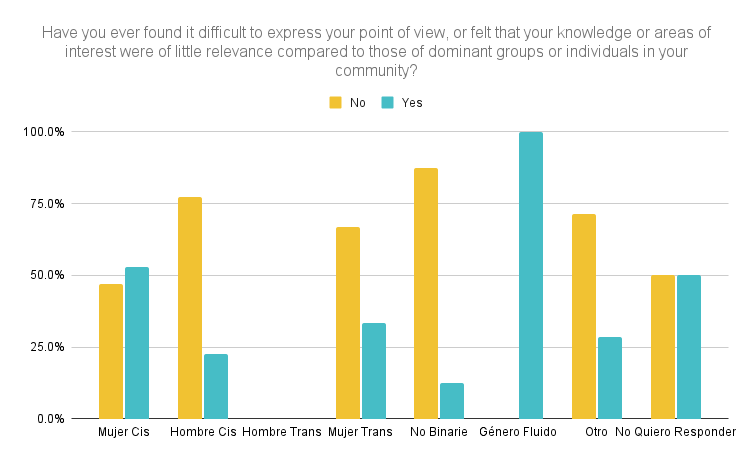
Gender survey on OSM and OSGeo
-
Survey in Spanish, English, French, and Portuguese
-
280 people responded
-
Countries with the highest representation:
-
Spain
-
France
-
Germany
-
-
-
Around 80% of respondents self-identify as cisgender men
-
We updated questions and categories, and also added new questions about neurodivergence, disability, among others
-
Most represented age range: 31–45 years old
-
Average number of years participating in the community: 7.98
-
68% of respondents believe there is no balanced gender representation in the OSM community.
2026
Geochicas' 10th anniversary
At the State of the Map Latam
México City